MYWAY Metal Washers – Wide Range, Great Value. Your China Fastener Manufacturer.
11+ Years Expertise | Professional Fastener Manufacturer | Standard & Custom Parts | DIN, ISO, ANSI Certified | Strong R&D | Ample Stock | Cost-Effective |
Professional Team | Serving 40+ Countries | Reliable Logistics
Home » Products » Washers » Flat Washers » Flat Washer DIN125 M6 Carbon Steel Bright Znic/Clear Zinc/Blue White Zinc
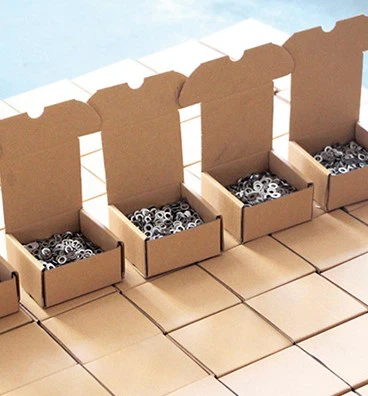
Flat Washer DIN125 M6 Carbon Steel Bright Znic/Clear Zinc/Blue White Zinc
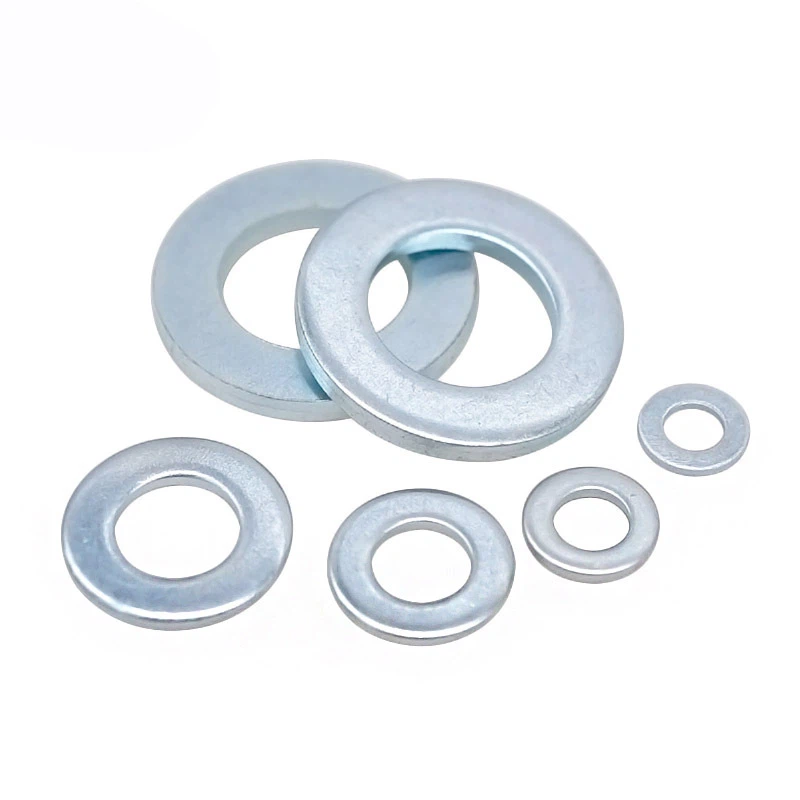
Flat Washer DIN125 M6 Carbon Steel Bright Znic/Clear Zinc/Blue White Zinc
Product Information
Flat washers are essential fasteners to keep on hand. They are used with a bolt or screw to evenly spread the load over a wider area. Flat washers also prevent loosening due to vibration, stop the bolt or screw from pulling through, and can act as spacers. Available in a variety of sizes and finishes.
Reinforces the connection of bolts and screws
Protects surfaces when tightening bolts and screws
Made from zinc plated steel for durability
The zinc plating offers corrosion resistance and has a reflective appearance.
Flat washers, also known as plain washers, are circular washers with a flat surface and a central hole. They are used to distribute the load or pressure of a fastener, such as a bolt or a screw, over a larger area. Flat washers come in different materials and finishes, and one common option is zinc plating. In this post, we will explore what zinc plating is, what are its benefits, and what to consider when using flat washers with this finish.
What is Zinc Plating?
Zinc plating, also called galvanization, is a process of coating a metal surface with a thin layer of zinc. Zinc is a corrosion-resistant metal that forms a protective layer when in contact with oxygen and moisture. Zinc plating can be done through various techniques, such as electroplating, hot-dip galvanizing, or mechanical plating. The zinc layer can be shiny or dull, depending on the type of plating and the surface preparation.
What are the Benefits of Zinc Plating?
Zinc plating offers several advantages for flat washers and other metal components:
– Corrosion resistance: Zinc is highly resistant to rust and other forms of corrosion, which makes it a popular choice for outdoor and marine applications. The zinc layer acts as a barrier against moisture and chemicals, protecting the underlying metal from degradation.
– Aesthetic appeal: Zinc plating can give a bright and uniform appearance to the flat washer, enhancing its visual appeal and making it easier to spot during assembly or inspection.
– Lubricity: Zinc plating can reduce friction between the flat washer and the mating surface, which can help to prevent galling, scuffing, or seizing of the fastener.
– Cost-effectiveness: Zinc plating is a relatively inexpensive and easy-to-apply coating, which makes it a cost-effective solution for mass-produced flat washers.
What to Consider When Using Flat Washers with Zinc Plating?
If you plan to use flat washers with zinc plating, here are some factors to keep in mind:
– Compatibility: Zinc plating may not be compatible with certain metals or environments. For example, zinc can react with copper or brass, causing galvanic corrosion. Zinc plating can also break down under high temperatures or acidic conditions. Make sure you choose a zinc plating that is suitable for your specific application and environment.
– Thickness: The thickness of the zinc layer can affect the corrosion resistance and wear resistance of the flat washer. Typically, a thicker layer provides better protection, but it may also affect the dimensions or tolerances of the washer. Consult the manufacturer or supplier for the recommended thickness for your application.
– Quality control: Zinc plating can vary in quality depending on the process and the expertise of the plater. Some defects that can occur in zinc-plated flat washers include blisters, cracks, uneven coverage, or peeling. Inspect the flat washers before use to ensure they meet the required standards and specifications.
In conclusion, flat washers with zinc plating can offer many benefits for various applications, from construction to automotive to electronics. However, it is essential to choose the right type of plating, check for compatibility and thickness, and ensure quality control. By using flat washers correctly, you can improve the performance, reliability, and appearance of your fastening system.
Flat Washer Dimensions
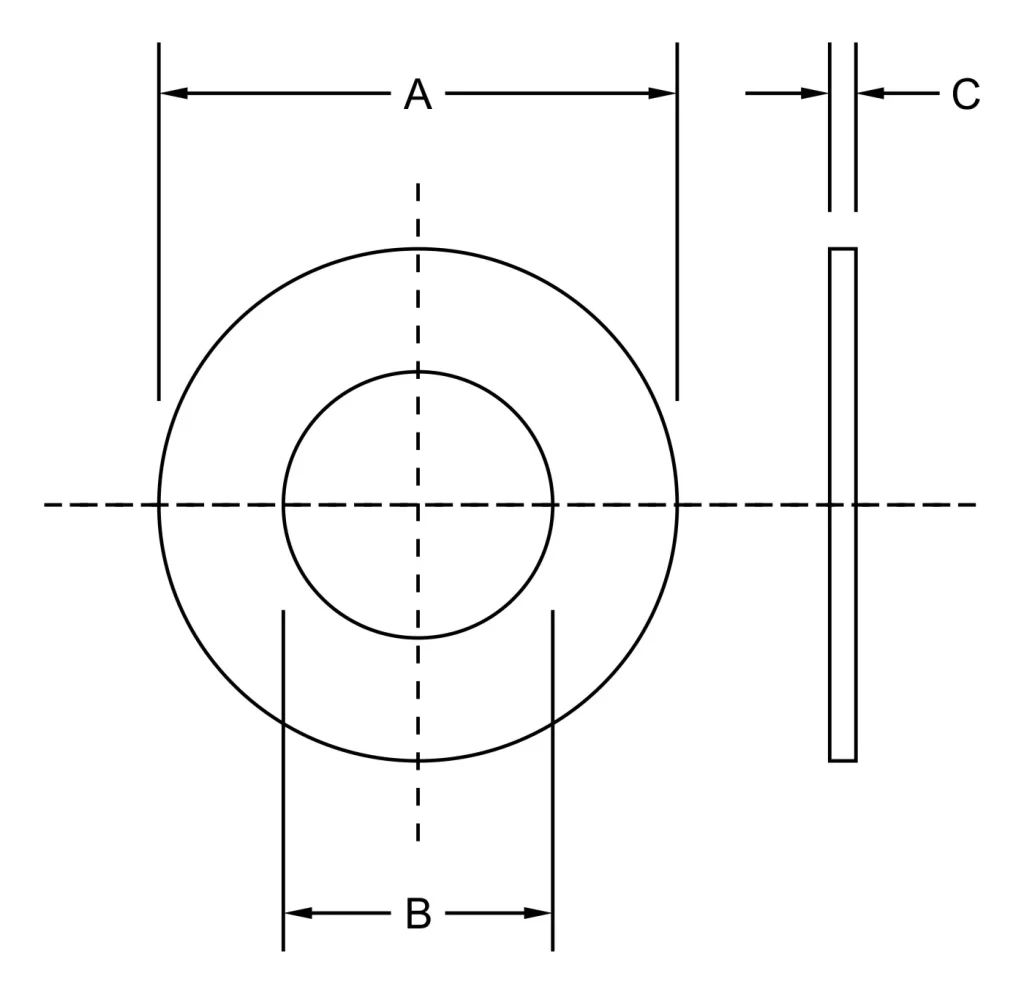
Table W1 | ||||
|---|---|---|---|---|
| Bolts Size | A O.D. | B I.D. | C Thickness | |
| Min | Max | |||
| 1/4″ | 5/8 | 9/32 | 0.051 | 0.080 |
| 5/16″ | 11/16 | 11/32 | 0.051 | 0.080 |
| 3/8″ | 13/16 | 13/32 | 0.051 | 0.080 |
| 7/16″ | 59/64 | 15/32 | 0.051 | 0.080 |
| 1/2″ | 1-1/16 | 17.32 | 0.097 | 0.177 |
| 5/8″ | 1-5/16 | 11/16 | 0.122 | 0.177 |
| 3/4″ | 1-15/32 | 13/16 | 0.122 | 0.177 |
| 7/8″ | 1-3/4 | 15/16 | 0.136 | 0.177 |
| 1″ | 2 | 1-1/8 | 0.136 | 0.177 |
| 1-1/8″ | 2-1/4 | 1-1/4 | 0.136 | 0.177 |
| 1-1/4″ | 2-1/2 | 1-3/8 | 0.136 | 0.177 |
| 1-3/8″ | 2-3/4 | 1-1/2 | 0.136 | 0.177 |
| 1-1/2″ | 3 | 1-5/8 | 0.136 | 0.177 |
| 1-3/4″ | 3-3/8 | 1-7/8 | 0.178 | 0.28 |
| 2″ | 3-3/4 | 2-1/8 | 0.178 | 0.28 |
| 2-1/4″ | 4 | 2-3/8 | 0.24 | 0.34 |
| 2-1/2″ | 4-1/2 | 2-5/8 | 0.24 | 0.34 |
| 2-3/4″ | 5 | 2-7/8 | 0.24 | 0.34 |
| 3″ | 5-1/2 | 3-1/8 | 0.24 | 0.34 |
| 3-1/4″ | 6 | 3-3/8 | 0.24 | 0.34 |
| 3-1/2″ | 6-1/2 | 3-5/8 | 0.24 | 0.34 |
| 3-3/4″ | 7 | 3-7/8 | 0.24 | 0.34 |
| 4″ | 7-1/2 | 4-1/8 | 0.24 | 0.34 |
Table W2 | ||||
|---|---|---|---|---|
| Bolts Size | A O.D. | B I.D. | C Thickness | |
| Min | Max | |||
| 1/4″ | 3/4 | 5/16 | 0.051 | 0.080 |
| 5/16″ | 7/8 | 3/8 | 0.064 | 0.104 |
| 3/8″ | 1 | 7/16 | 0.064 | 0.104 |
| 7/16″ | 1-1/4 | 1/2 | 0.064 | 0.104 |
| 1/2″ | 1-3/8 | 9/16 | 0.086 | 0.132 |
| 9/16″ | 1-1/2 | 5/8 | 0.086 | 0.132 |
| 5/8″ | 1-3/4 | 11/16 | 0.108 | 0.160 |
| 3/4″ | 2 | 13/16 | 0.122 | 0.177 |
| 7/8″ | 2-1/4 | 15/16 | 0.136 | 0.192 |
| 1″ | 2-1/2 | 1-1/16 | 0.136 | 0.192 |
| 1-1/8″ | 2-3/4 | 1-1/4 | 0.136 | 0.192 |
| 1-1/4″ | 3 | 1-3/8 | 0.136 | 0.192 |
| 1-3/8″ | 3-1/4 | 1-1/2 | 0.153 | 0.213 |
| 1-1/2″ | 3-1/2 | 1-5/8 | 0.153 | 0.213 |
Table W3 | ||||
|---|---|---|---|---|
| Bolts Size | A O.D. | B I.D. | C Thickness | |
| 1/8″ | 3/8 | 5/32 | 3/64 | |
| 5/32″ | 7/16 | 3/16 | 3/64 | |
| 3/16″ | 1/2 | 7/32 | 3/64 | |
| 7/32″ | 9/16 | 1/4 | 3/64 | |
| 1/4″ | 5/8 | 9/32 | 1/16 | |
| 5/16″ | 11/16 | 11/32 | 1/16 | |
| 3/8″ | 13/16 | 13/32 | 1/16 | |
| 7/16″ | 59/64 | 15/32 | 1/16 | |
| 1/2″ | 1-1/16 | 17/32 | 3/32 | |
| 9/16″ | 1-3/16 | 19/32 | 3/32 | |
| 5/8″ | 1-5/16 | 21/32 | 3/32 | |
| 3/4″ | 1-1/2 | 13/16 | 9/64 | |
| 7/8″ | 1-3/4 | 15/16 | 9/64 | |
| 1″ | 2 | 1-1/16 | 9/64 | |
| 1-1/8″ | 2-1/4 | 1-1/4 | 9/64 | |
| 1-1/4″ | 2-1/2 | 1-3/8 | 5/32 | |
| 1-3/8″ | 2-3/4 | 1-1/2 | 5/32 | |
| 1-1/2″ | 3 | 1-5/8 | 5/32 | |
Table W4 | ||||
|---|---|---|---|---|
| Bolts Size | A O.D. | B I.D. | C Thickness | |
| 3/16″ | 9/16 | 1/4 | 3/64 | |
| 1/4″ | 3/4 | 5/16 | 1/16 | |
| 5/16″ | 7/8 | 3/8 | 5/64 | |
| 3/8″ | 1 | 7/16 | 5/64 | |
| 7/16″ | 1-1/4 | 1/2 | 5/64 | |
| 1/2″ | 1-3/8 | 9/16 | 7/64 | |
| 9/16″ | 1-1/2 | 5/8 | 7/64 | |
| 5/8″ | 1-3/4 | 11/16 | 9/64 | |
| 3/4″ | 2 | 13/16 | 5/32 | |
| 7/8″ | 2-1/4 | 15/16 | 11/64 | |
| 1″ | 2-1/2 | 1-1/16 | 11/64 | |
| 1-1/8″ | 2-3/4 | 1-1/4 | 11/64 | |
| 1-1/4″ | 3 | 1-3/8 | 11/64 | |
| 1-3/8″ | 3-1/4 | 1-1/2 | 3/16 | |
| 1-1/2″ | 3-1/2 | 1-5/8 | 3/16 | |
| 1-5/8″ | 3-3/4 | 1-3/4 | 3/16 | |
| 1-3/4″ | 4 | 1-7/8 | 3/16 | |
| 1-7/8″ | 4-1/4 | 2 | 3/16 | |
| 2″ | 4-1/2 | 2-1/8 | 3/16 | |
| 2-1/4″ | 4-3/4 | 2-3/8 | 7/32 | |
| 2-1/2″ | 5 | 2-5/8 | 15/64 | |
| 2-3/4″ | 5-1/4 | 2-7/8 | 1/4 | |
| 3″ | 5-1/2 | 3-1/8 | 17/64 | |
Common Fastener Materials
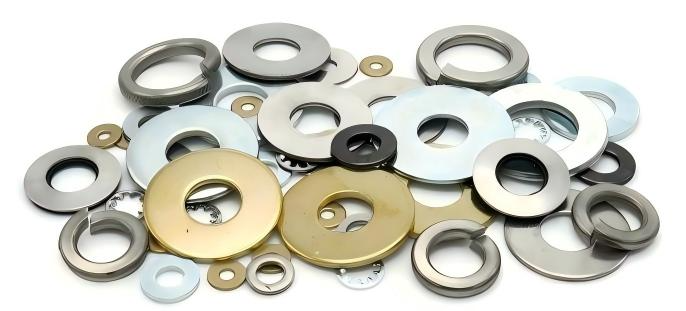
Fasteners are fabricated from a variety of materials. These options include metals and polymers. Stainless steel offers strength and corrosion resistance. While polymer options have less strength than stainless, they are a good choice for resisting chemicals. The most common materials are:
- Stainless steel
- Alloy steel
- Low carbon steel
- Medium carbon steel
- Titanium
- Polymers, such as nylon
Finish Options
The use of heat treatments and application of various finishes, also known as “plating,” affects the look and performance of fasteners. Finishes provide material stability and protect the fasteners from corrosion and rust. Below are some common heat treatment and finish benefits:
- Zinc coating – Most common, low cost, resists corrosion and rust
- Galvanized – Superior corrosion protection, anti-seize, higher upfront investment
- Stainless – Great for humid environments, strong, ideal for electrical or mechanical uses
- Black – Adds color, provides better grip, deflects light
Our Washer Factory