
Common Surface Treatment
The workpiece after silk screen printing must be baked in the oven, so there should be no objects damaged by high temperature on the workpiece.
polishing
Advantage: If the ordinary stainless steel is polished, it can get a mirror-like bright surface.
The slag on the workpiece after spot welding can be removed by a polishing machine. For example, it is easy to grind into a flat surface with a grinder.
Why doesn’t stainless steel rust?
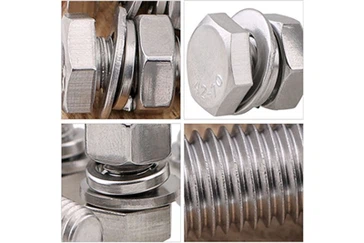
The stainless mechanism of all stainless steels on the market today is due to the presence of Cr. The root cause (mechanism) of stainless steel corrosion resistance is the passivation film theory. The so-called passivation film is a thin film mainly composed of Cr2O3 on the surface of stainless steel. Because of the existence of this film, the corrosion of the stainless steel substrate in various media is hindered. This phenomenon is called passivation.
Salt Spray Test
Many enterprise products need to simulate the damage caused by the surrounding climate of the ocean. The salt spray test simulates this phenomenon, so the testing equipment–the salt spray test chamber came into being.
Special Steel
Neutral chloride environment, refining industry, petrochemical and chemical industry, Pipeline for chemical industry, oil and gas industry, pulp and paper industry, fertilizer industry, urea industry, phosphate fertilizer industry, seawater environment, energy and environmental protection industry, light industry and food industry, food and pharmaceutical industry equipment, high-strength structural parts, submarine pipelines, smoke desulfurization, osmotic desalination equipment, sulfuric acid plant, Marine engineering fasteners, etc.
310S Stainless Steel
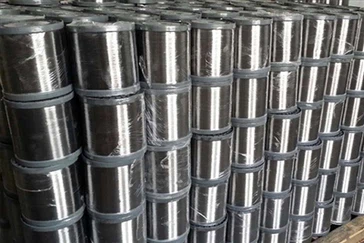
310S stainless steel is due to nickel (Ni), chromium (Cr) high content, has good oxidation resistance, corrosion resistance, acid and alkali resistance, high temperature resistance, can continue to work at high temperatures, high temperature steel pipe is dedicated to the manufacture of electric furnace tubes and other occasions, Austenitic stainless steel increased carbon content, due to its solid solution strengthening effect to improve the strength of Austenitic stainless steel chemical composition It is based on chromium and nickel to add molybdenum, tungsten, niobium and titanium and other elements, and because of its face-centered cubic structure, it has high strength and creep strength at high temperatures. High temperature above 1150°C. The melting point is 1398°C~1454°C. 800°C begins to soften, and the allowable stress continues to decrease.
The Key Of Stainless Steel Tapping
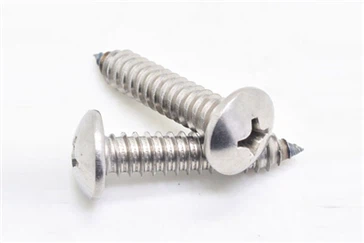
When tapping stainless steel thread, the phenomenon of “dwelling” is more serious, and the tap is easy to “bite” in the hole, so the bottom hole of the thread should be properly increased. In general, the diameter of the threaded bottom hole with a pitch of 1 mm or less is equal to the nominal diameter minus the pitch; when the pitch is greater than 1 mm, the diameter of the threaded bottom hole is equal to the nominal diameter minus 1.1 times the pitch.
Recommended Torque Table For Bolts And Nuts
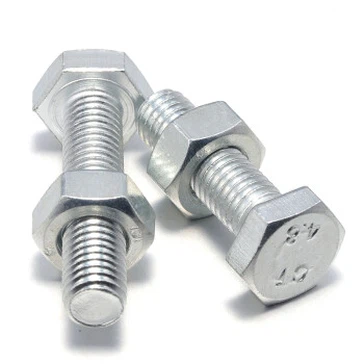
The pressure in the container or pipeline is 0-80 bar. It is recommended that the installation torque is multiplied by 90%-100% of the data in the table.
The pressure in the vessel or pipeline is 80-120Bar. It is recommended that the installation torque be multiplied by 100%-120% of the data in the table.
304 Stainless Steel CU Copper Content Problem
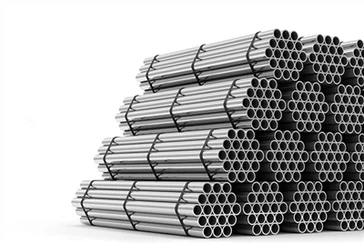
In the current GB/T1220 standard, the Cu content of 304 material is represented by “-“. There are many disputes about “-” representing “not allowed” or “not required”, which is reasonably understood as “not required”.
Significance And Applications Of Salt Spray Testing
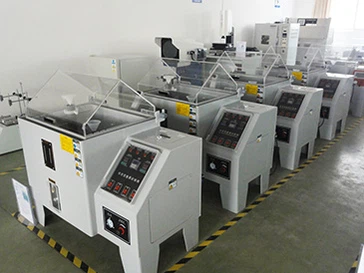
The purpose of salt spray testing transcends mere examination; it’s a proactive measure to ensure the longevity and reliability of materials in diverse applications. From automotive components to aerospace materials, this method stands as a crucial step in material science, offering valuable insights that contribute to the advancement of durable and resilient products.
Corrosion Resistance Guide
Environment: Different environments, such as marine, industrial, or outdoor settings, can have varying levels of corrosive elements like moisture, salt, chemicals, and pollution, which can accelerate corrosion.