
Marine-Grade Fasteners: Materials of Marine Fasteners
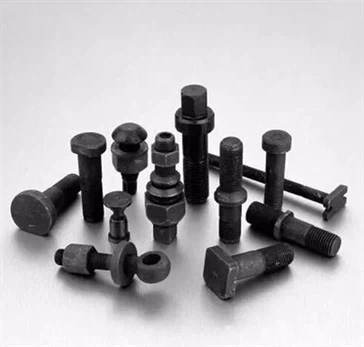
In the realm of marine fastening, even innovative fastener devices are faced with the common challenges brought by saltwater elements that make the survival of materials difficult at times. The unhinged corrosive elements caused by saltwater have led to the significant development of marine-grade fasteners to sustain and resist its damage. Marine-grade fasteners are designed to withstand saltwater corrosion and exhibit reliability and durability to ensure the security of connected parts. Unlike standard fasteners, marine-grade fasteners are engineered to resist the continuous force of corrosion brought by saltwater and other existing troubles. With its fortunate existence, the marine industry has been triumphant in the field of fastening ever since they were fabricated and is now continually evolving for a better future.
Black Oxide Coating on Fasteners
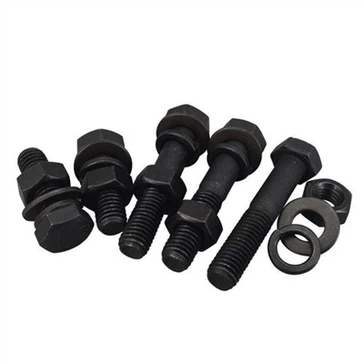
Black Oxide Coating is a chemical conversion coating that provides a thin layer of corrosion resistance to fasteners. This process involves the immersion of fasteners in a hot alkaline solution, creating a black oxide finish that not only enhances durability but also offers an appealing aesthetic.
Fasteners for Solar and Green Energy Industry – Bolts, Nuts, Screws and Specialty Parts
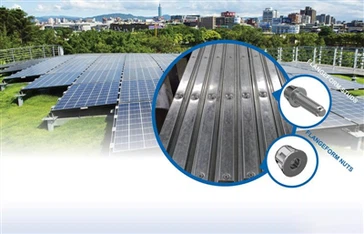
The components are all made of stainless steel and are specifically designed to hold down solar panel systems. They are available in a a variety of sizes depending on the specific requirement. Please contact us for any further information on these specialty parts.
What Are The Fastener Industry Standards?

Deutsches Institut fur Normung (DIN) standards originate from Germany and are renowned for their meticulous attention to detail and precision engineering. This specification is used for metric products. These standards cover a wide range of industries, including fasteners. DIN fasteners are known for their reliability and consistency, making them a popular choice in various applications across the globe.
About High-precision Fasteners
One of the foremost struggles in manufacturing precision fasteners lies in meeting intricate and exact tolerances and specifications for critical applications. These tiny components often have to face extreme conditions such as adhering to incredibly tight tolerances to function effectively. The demand for precision requires manufacturers to invest in cutting-edge machinery and technology, adding complexity and cost to the production process which can later on be a disadvantage in the market. Achieving the perfect balance between speed and precision is an ongoing challenge, as any deviation from specifications can have cascading effects on the final product. This is why precision fasteners are highly valued for their accuracy and effectiveness in assemblies.
Fasteners | Misunderstandings Between High-Strength Bolts And Ordinary Bolts

The core difference between high-strength bolts and ordinary bolts is not the strength of the material used, but the form of force. The essence is whether to apply preload force and use static friction to resist shear.
Eco-Friendly Fasteners for Sustainable Construction

Eco-friendly fasteners are typically made from recycled materials or sustainable alternatives such as stainless steel, brass, or even biodegradable polymers. By utilizing recycled content or renewable resources, these fasteners reduce the demand for virgin materials and minimize environmental impact. Additionally, some manufacturers prioritize responsible sourcing and production practices to further reduce their carbon footprint.
Fasteners | Introduction To Self-tapping Screws
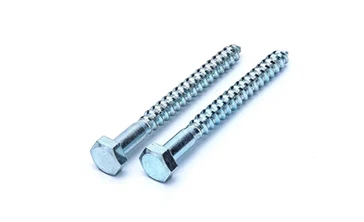
The difference between self-tapping screws and ordinary screws is that ordinary screws must have processed screw holes before they can be screwed in. Self-tapping screws are not required, you can tap them yourself while screwing them in. In order to achieve the purpose of self-tapping, this kind of hexagonal drill tail screw usually has a pointed tip to facilitate squeezing into the object to be screwed in.
MYWAY Fasteners | What Are The Differences Between Chrome Plating, Nickel Plating And Zinc Plating
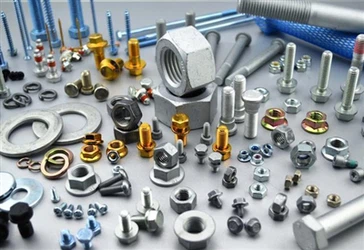
Electroplating is divided into specific processes such as copper plating, gold plating, silver plating, chromium plating, nickel plating and zinc plating. In the manufacturing field, zinc plating, nickel plating and chromium plating are the most widely used. There must be a difference between these three.
These 4 Must Be Done When Heat Treating Fasteners
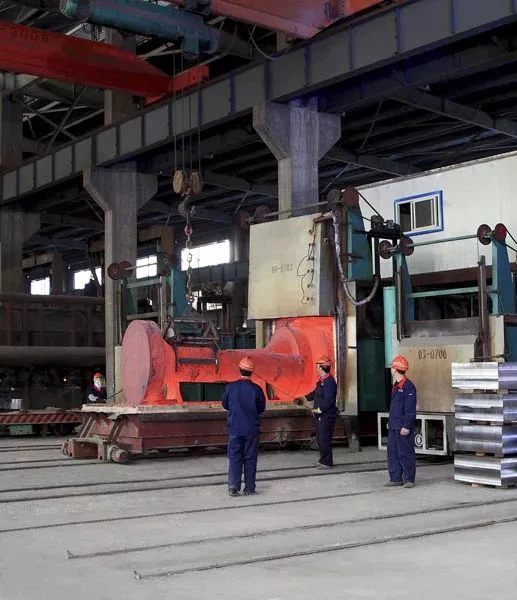
In the mass heat treatment production process, metallographic method or microhardness method can only be checked regularly. Because the inspection time is long and the cost is high.