
MYWAY Studs – Wide Range, Great Value. Your China Fastener Manufacturer.
11+ Years Expertise | Professional Fastener Manufacturer | Standard & Custom Parts | DIN, ISO, ANSI Certified | Strong R&D | Ample Stock | Cost-Effective |
Professional Team | Serving 40+ Countries | Reliable Logistics
Home » Products » Studs » Double End Stud » Thick Stud Bolt DIN940
Thick Stud Bolt DIN940
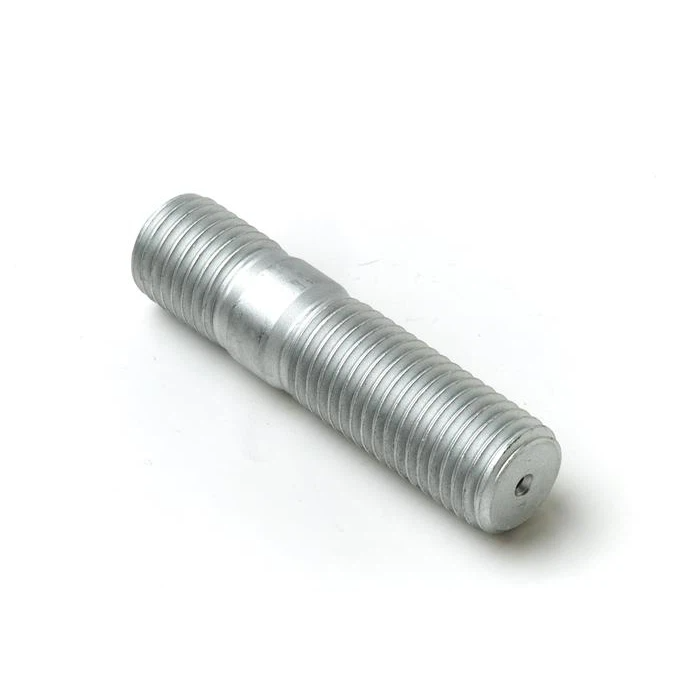
Thick Stud Bolt DIN940
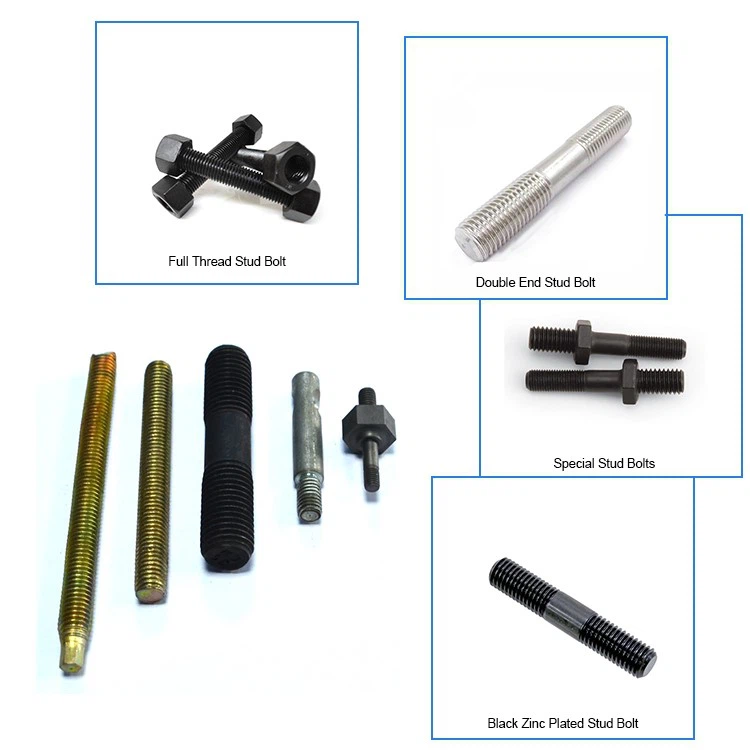
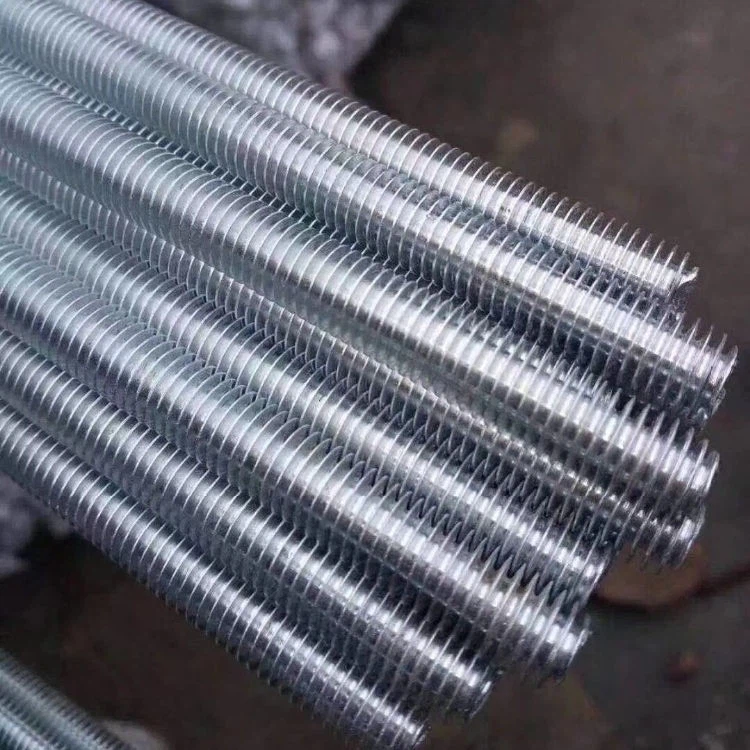
A thick stud bolt is a type of heavy-duty bolt that has a threaded end on both sides. It is designed to be used with a nut to secure two or more objects together. The diameter of the bolt can vary depending on the application, but it is generally much thicker and stronger than a standard bolt.
Product Information
The primary advantage of using a thick stud bolt is that it provides exceptional strength and durability. This makes it an ideal choice for applications where the fastener will be subjected to heavy loads and high stress levels. The thick dimensions of the bolt also offer better resistance to bending or breaking, which is important in critical applications.
Another benefit of using a thick stud bolt is that it can be easily installed and removed. The threaded design allows for quick and easy tightening and loosening, which can save time and effort during maintenance and repairs.
Thick stud bolts are commonly used in a wide range of applications, including heavy machinery, industrial equipment, pipelines, and structural connections. They are also widely used in the oil and gas industry due to their ability to withstand harsh environments and extreme temperatures.
In addition to their functional benefits, thick stud bolts are also aesthetically appealing. They come in different finishes and coatings that can improve their resistance to corrosion and enhance their appearance.
In conclusion, the thick stud bolt is a powerful and versatile fastener that offers unmatched strength, durability, and ease of installation. Its diverse applications make it an essential component in the engineering and construction industries. With its reliable performance and longevity, the thick stud bolt is a top choice for securing heavy machinery and structures.
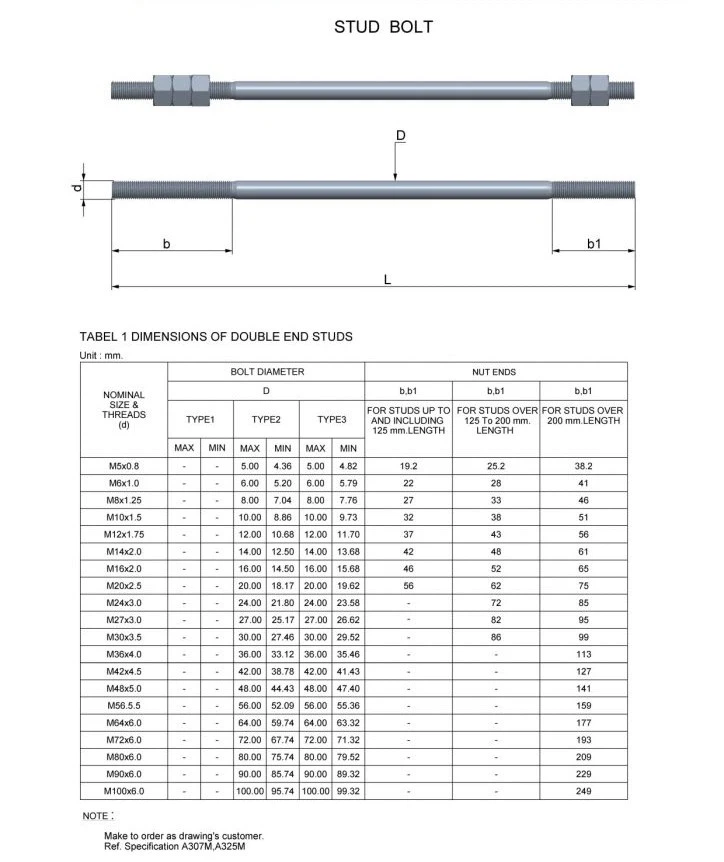
Stud Bolt Dimensions
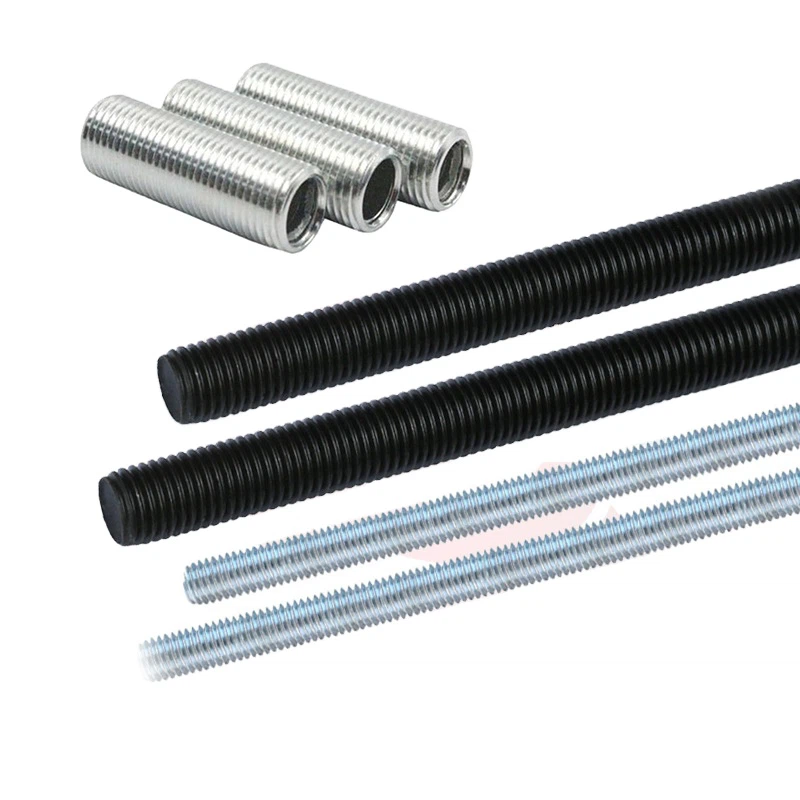
Common Threaded Rod Materials
Threaded rods come in several different materials, with the best choice depending on various factors. These typically include what you need the stud to do, the environment where it will be installed, and which types of materials the anchor pin is going to be securing.
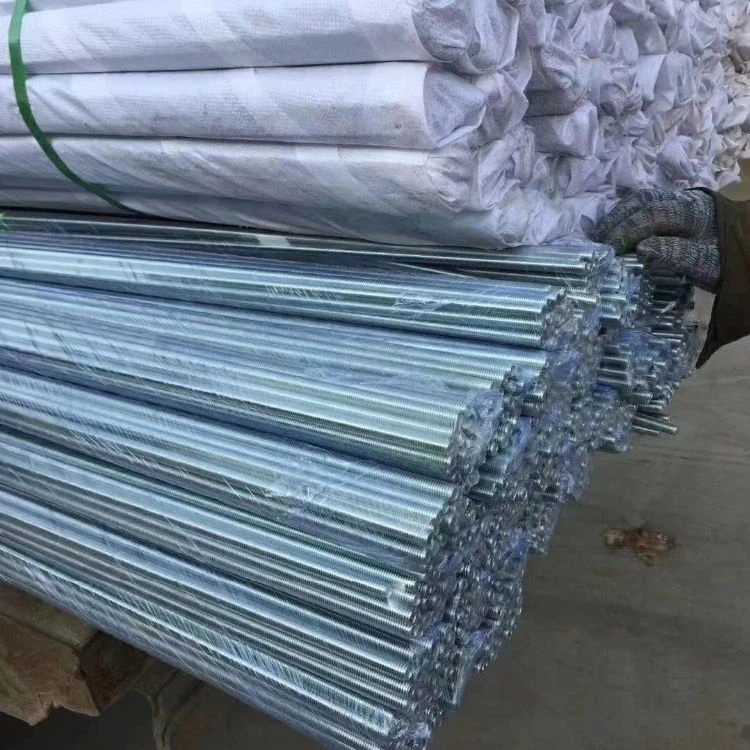
Mild steel threaded rod is one of the most common types. Various sorts of steel and derivative materials are typically used in the manufacture of screw rods. Stainless steel (SS threaded rod) is another common type, as is galvanised threaded bar. The latter is zinc plated for added protection against corrosion, making it ideal for use when exposed to harsh conditions or humid environments over prolonged periods.
You can also buy brass and nylon threaded bar, although this tends to be used at smaller gauges where lower forces are in play. These materials are not suitable for any sort of critical structural application.
- Stainless steel
- Alloy steel
- Low carbon steel
- Medium carbon steel
- Titanium
- Polymers, such as nylon
Finish Options
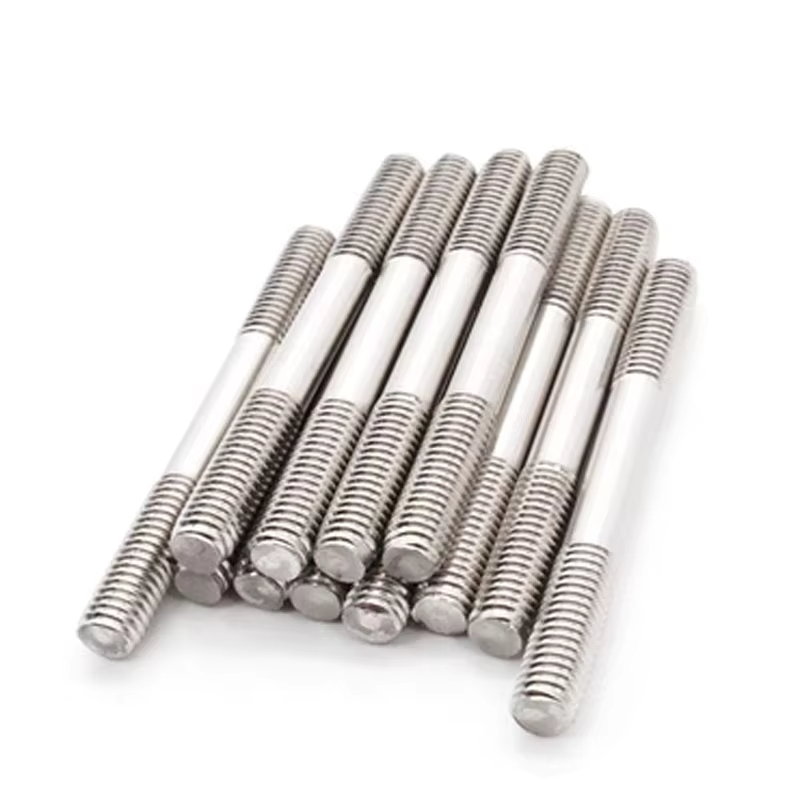
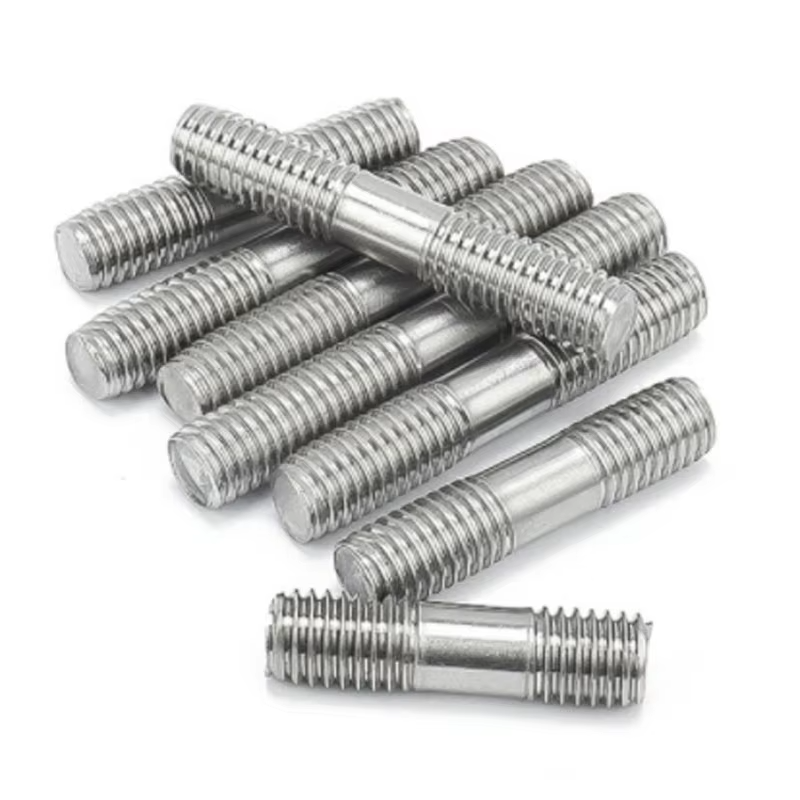
The use of heat treatments and application of various finishes, also known as “plating,” affects the look and performance of threaded rods. Finishes provide material stability and protect the fasteners from corrosion and rust. Below are some common heat treatment and finish benefits:
- Zinc coating – Most common, low cost, resists corrosion and rust
- Galvanized – Superior corrosion protection, anti-seize, higher upfront investment
- Stainless – Great for humid environments, strong, ideal for electrical or mechanical uses
- Black – Adds color, provides better grip, deflects light
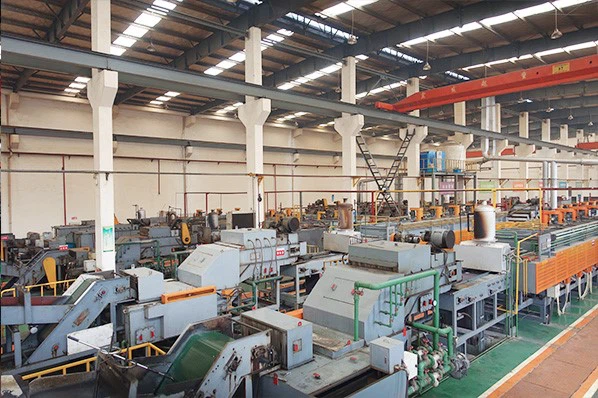
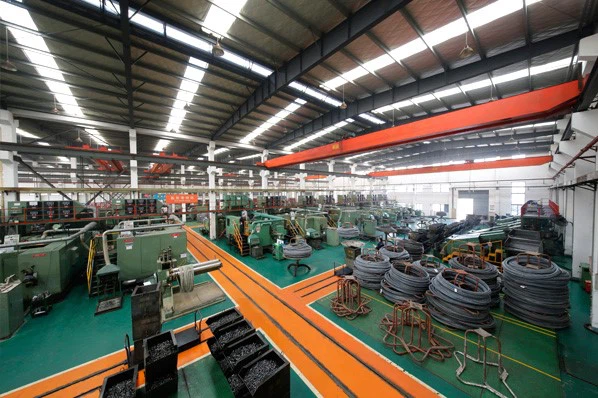
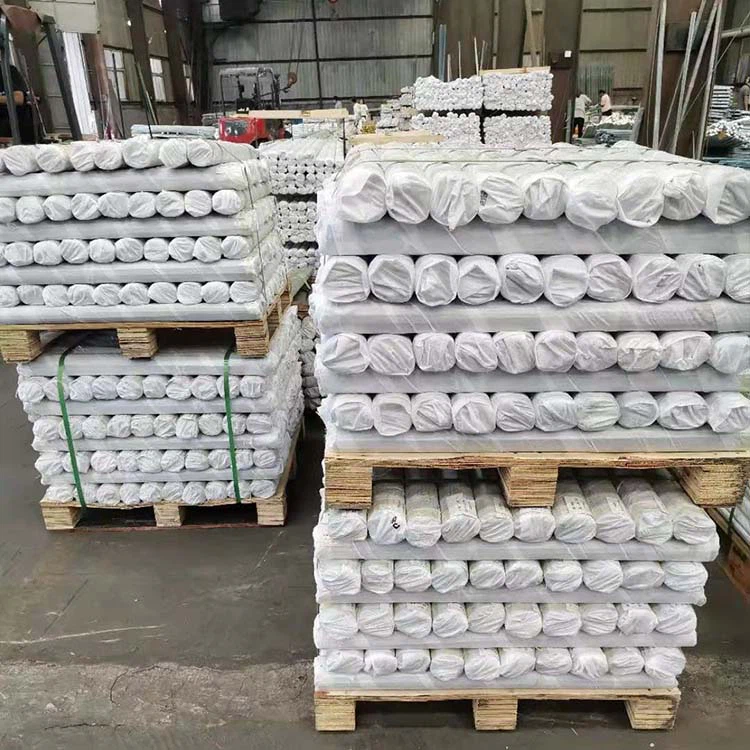
Our Washer Factory
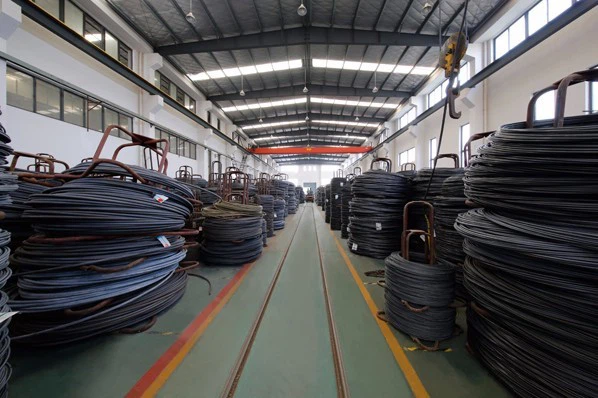
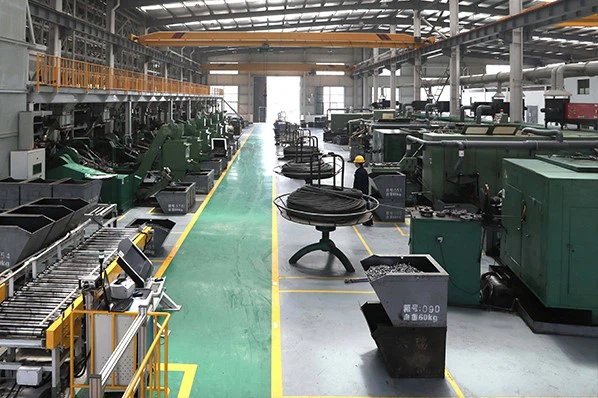
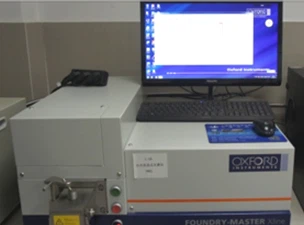
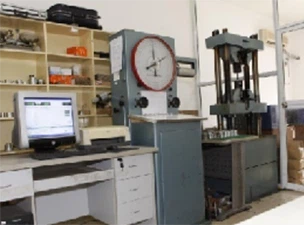
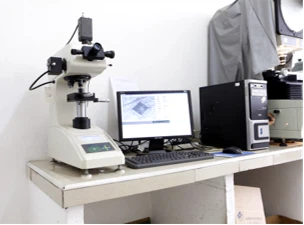
Testing Equipment

MYWAY Services
MYWAY strictly complies with the requirements of the ISO9001 quality certification system, strictly controls quality, implements it at every level, and assigns responsibilities to everyone to ensure the healthy operation of the comprehensive system of design, production, sales, and after-sales service. In order to strengthen communication with users, better provide users with high-quality products, and better serve users with the brand, we have made the following commitments:
1. Products are designed and manufactured in strict accordance with standards. We produce non-standard products according to the drawings provided by customers.
2. Pre-sales service
Serving customers: product introduction, answers to technical questions, and engineering-assisted design.
3. Sales service
1). The products are based on the needs of user orders, with quality and delivery time as the premise.
2). During the use of the product, our company regularly organizes technical and quality inspection service personnel to visit and solicit feedback from users on the quality, usage status, improvement opinions and other aspects of the product, so as to further improve product quality.
4. After-sales service
1). If users have any problems or information when using our products, please report them back to the company in a timely manner so that the company can properly handle and improve them so that our products can better meet your requirements.
2). If the product does not work properly or is damaged due to quality problems during the warranty period, our company will be responsible for free repair or replacement. If the product is damaged or does not work properly due to improper use by the user, our company can provide repair services. If users need it, our company can provide users with free pre-sales and after-sales technical consultation.
.After-sales service. Users are required to fill in the product service and quality feedback information form and make appraisal opinions in order to improve the quality of MYWAY products and services.
FAQ
Q: What is the difference between all thread and studs?
A: The basic difference is that while all thread rod has their length measured from “end-to-end”, studs are measured from “first-to-first”.
Q: Do all studs have screws?
A: Studs contain nails or screws. Before there were electronic stud finders, do-it-yourselfers used magnetic stud finders which locate the nails and screws. Look for an electrical outlet. It’s probably fastened to the side of a stud.
Q: How do you know stud bolt size?
A: To find the stud size just measure the diameter of the shank. The shank is the shaft-like part of the bolt or stud. Preferably use calipers to obtain an accurate measure of the shank’s diameter, but a ruler works too. In most automotive instances, the shank’s diameter is going to be either 1/4, 5/16, or 3/8.
Q: What is a stud nut?
A: Studs & Nuts: A bolt with threads on both ends designed to be screwed permanently into a fixed part at one end and to receive a nut on the other.
Q: What is the standard stud bolt?
A: ASTM A193 stud bolts are available in national coarse (UNC) thread pitches, generally used in traditional applications, which means that there are 8 threads per inch (“thread per inch”) for rod diameters above 1 inch. B7 is the most common specification grade for stud bolts.
Q: Where are stud bolts used?
A: Studs are threaded at both ends and the middle screw, either thick or thin.It is generally used in mining machinery, Bridges, automobiles, motorcycles, boiler steel structure, pylon, long-span steel structure and large buildings.
Q: Why use a stud instead of a bolt?
A: Another advantage of using studs is that you don’t need to worry about insufficient clamping load because a too-long bolt bottomed out in its hole. The stud is stationary, and clamping load is achieved by tightening the nut.
Q: What is the difference between a stud bolt and a screw?
A: Stud bolts are used to connect two components together, with one end of the bolt threaded into one component and the other end threaded into the second component, while screws are used to fasten an object to a surface or to attach two components together with a nut or other threaded fastener.
Q: What screw to use for stud?
A: Short self drilling screws are ideal for metal stud to stud connections for metal stud framing. The most common type being a #10 x 3/4″ Modified Truss Head Self Drilling Screw or a 10 X 5/8″ Pancake Framer. They can be used interchangeably.
Q: What is the difference between a stud bolt and a hex bolt?
A: In Petrochemical industry stud bolts and hex machine bolts are used for connections. The Stud Bolt is a thread on full-lengths or at both ends, while Hex Machine Bolt has a hexagonal head with one nut. Both the nuts and head are six-sided.
Q: Can you screw into a stud?
A: If you’re using a screw, insert it into the hole clockwise until it’s securely fastened in the stud. For screw anchors, gently tap them into the hole with a hammer until they are flush with the wall. Once the screw or anchor is in place, gently tug on it to ensure it is securely fastened to the stud.
Q: How are studs measured?
A: There are two common industry measurements for studs, ‘end-to-end’ and ‘first-to-first. ‘ An ‘end-to-end’ measurement literally measures the overall length of the stud. Conversely, a ‘first-to-first’ measurement excludes the ends of a stud beyond its threaded area.
Q: What is a stud in construction?
A: You can cut the nails with a reciprocating saw first along the top and bottom plates or just use a hammer (or sledge hammer) to knock the studs outwards until the bottom is released. You can then pull out the upper end of the stud and remove it.
Q: What is a stud in construction?
A: Studs are a series of vertical load-bearing members used to support elements in walls and partitions. Studs in exterior walls of one- and two-story buildings are at least a nominal 2×4 inches with the 4-inch dimension formng the basic wall thickness.
Q: How to cut a hole in a stud?
A: Any stud may be bored or drilled, provided that the diameter of the resulting hole is no more than 60 percent of the stud width, the edge of the hole is no more than 5/8 inch (16 mm) to the edge of the stud, and the hole is not located in the same section as a cut or notch.
Q: Is stud a permanent fastener?
A: Temporary. Temporary fasteners are designed specifically to join two materials or objects, with the option to be removed and reused without damaging the objects they hold together. Common examples include bolts, screws, nuts, washers and studs.
We’re professional bolt manufacturers and suppliers in China, specialized in providing high quality customized products with low price. We warmly welcome you to wholesale or buy discount bolt in stock here from our factory. Contact us for free sample.